

This content may be of interest to you
Resources
The annual performance review is a key management moment. It's an opportunity to take stock of the past year, set objectives for the next, and strengthen communication between manager and employee. But for this meeting to be truly useful, it must be based on a clear, well-structured annual performance review grid. So how do you build and use it effectively? Here's NUMA's practical guide to successful annual performance reviews.
The annual performance review grid is a management tool that supports the dialogue between manager and employee. It allows you to follow a common thread and ensure that all the essential points are covered.
In general, it includes sections on :
A well-designed grid ensures fairness between employees, while leaving room for exchange and active listening. It's a management tool that's above all human, promoting transparency and recognition.
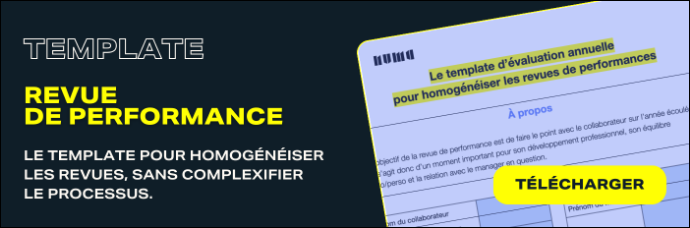
Even before creating the grid, clarify your priorities: do you want to assess performance, set new objectives, or identify training needs? These choices will guide the structure and tone of the exchange.
Divide your grid into simple, coherent headings, for example :
This structure facilitates reading and post-interview follow-up.
Each section is designed to encourage constructive exchange.
Sample questions:
In practical terms, open-ended questions encourage sincere discussion and avoid superficial answers.
Before deploying it, submit the grid to the HR managers and managers concerned. This step ensures that it is consistent, fair and adapted to the company's specific needs.
The criteria of a salesperson are not the same as those of a developer or HR manager. Make sure that the grid takes into account the specific skills of each function.
Some employees want to develop, train or change jobs. Mention these personal objectives to make the interview more motivating and concrete.
For certain professions, it is useful to integrate sections dedicated to project management, customer relations or innovation.
A successful interview requires preparation on both sides:
The grid serves as a guideline, but shouldn't freeze the discussion. Leave room for listening, exchange and recognition.
It's often the most neglected part... and yet the most decisive.
After the interview :
A well-designed annual performance review goes beyond a simple evaluation. It serves as a tool for motivation, development, and employee retention. By following these steps, you’ll turn the performance review into an opportunity for recognition and planning for the future.
NUMA supports managers in preparing and conducting their annual performance reviews. Discover our complete kit of practical resources to structure your discussions and boost your teams' commitment.
The annual performance review is a key management moment. It's an opportunity to take stock of the past year, set objectives for the next, and strengthen communication between manager and employee. But for this meeting to be truly useful, it must be based on a clear, well-structured annual performance review grid. So how do you build and use it effectively? Here's NUMA's practical guide to successful annual performance reviews.
The annual performance review grid is a management tool that supports the dialogue between manager and employee. It allows you to follow a common thread and ensure that all the essential points are covered.
In general, it includes sections on :
A well-designed grid ensures fairness between employees, while leaving room for exchange and active listening. It's a management tool that's above all human, promoting transparency and recognition.
Even before creating the grid, clarify your priorities: do you want to assess performance, set new objectives, or identify training needs? These choices will guide the structure and tone of the exchange.
Divide your grid into simple, coherent headings, for example :
This structure facilitates reading and post-interview follow-up.
Each section is designed to encourage constructive exchange.
Sample questions:
In practical terms, open-ended questions encourage sincere discussion and avoid superficial answers.
Before deploying it, submit the grid to the HR managers and managers concerned. This step ensures that it is consistent, fair and adapted to the company's specific needs.
The criteria of a salesperson are not the same as those of a developer or HR manager. Make sure that the grid takes into account the specific skills of each function.
Some employees want to develop, train or change jobs. Mention these personal objectives to make the interview more motivating and concrete.
For certain professions, it is useful to integrate sections dedicated to project management, customer relations or innovation.
A successful interview requires preparation on both sides:
The grid serves as a guideline, but shouldn't freeze the discussion. Leave room for listening, exchange and recognition.
It's often the most neglected part... and yet the most decisive.
After the interview :
A well-designed annual performance review goes beyond a simple evaluation. It serves as a tool for motivation, development, and employee retention. By following these steps, you’ll turn the performance review into an opportunity for recognition and planning for the future.
NUMA supports managers in preparing and conducting their annual performance reviews. Discover our complete kit of practical resources to structure your discussions and boost your teams' commitment.


Discover all our courses and workshops to address the most critical management and leadership challenges.

Training organisation registered under the number 11755339875. This registration does not imply state approval.

.svg)


.png)
.png)

