


Learning objectives :
- Prepare for negotiations systematically to arrive with a strong position and clear alternatives
- Use the approaches and phrasing that create the conditions for an agreement
- Knowing how to make concessions, handle deadlocks, and close a deal
Course :
Session 1: Preparing for Negotiations
A negotiation is often won before it even begins. Participants learn to assess the situation before entering into discussions: Where is the scope for reaching an agreement? What is my Plan B if things don’t work out? What concessions am I willing to make, and at what cost?
Case Study : Prepare for a real or simulated negotiation using both tools: define your opening position, your walk-away point, and your BATNA, and list your possible concessions along with the expected trade-offs for each.
Session 2: Stating Your Position
How you begin a negotiation often determines how it ends. Participants practice the approaches and phrasing that allow them to state their position confidently while keeping the discussion open: neither too rigid nor too accommodating.
Case Study : Practice presenting your opening position using the communication cues discussed, while avoiding reflexive responses that shut down the discussion before it has really begun.
Session 3: Reaching an Agreement and Closing the Deal
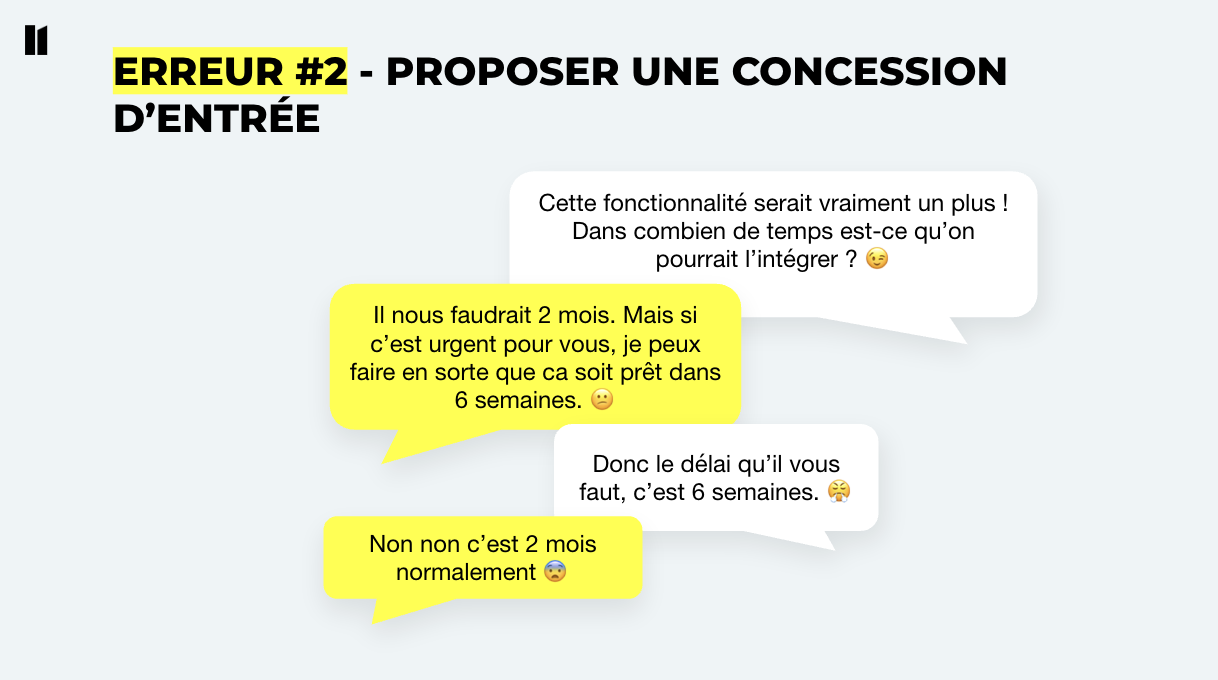
The real negotiation begins when disagreements arise. Participants learn how to move forward even when negotiations stall, make strategic concessions, and close the deal with a solid agreement, through hands-on practice with real-world scenarios.
Case Study : Practice with peers using real-life scenarios (negotiating resources, deadlines, contract terms, salary, etc.) to apply the tools from the three modules in practical situations and receive direct feedback.
When you leave this workshop, you'll know...
- Preparing for a negotiation systematically: position, walk-away point, BATNA, concessions
- Adopt attitudes and phrasing that keep the discussion open
- Make strategic concessions and close the deal with a solid agreement
And it'll come in handy for...
- Trade negotiations: contracts, terms, deadlines, prices
- Day-to-day negotiations: resources, scope, and internal trade-offs
- Any time you need to reach an agreement with someone who doesn't share your interests


.png)


.png)


.png)
.png)


